

Key Takeaways:
- Poor or inconsistent monthly accounting can contribute to real estate businesses overpaying taxes by limiting visibility into key decisions throughout the year.
- Without timely financial data, you lose opportunities to optimize timing, properly classify expenses, and align tax strategy with real estate operations.
- Strong monthly accounting gives you the clarity to make proactive decisions that improve your real estate tax outcomes instead of reacting at year-end.
Most real estate owners think about taxes once a year — usually when their return is being prepared. At that point, the goal is simple: file accurately, minimize liability where possible, and move on.
By the time tax season arrives, many of the most meaningful tax decisions have already been made. And often those decisions were made with incomplete or unclear financial information.
For smaller real estate owners and investors, poor monthly accounting doesn’t just create administrative headaches. It can quietly increase the risk of higher tax bills, missed planning opportunities, and avoidable surprises.
Tax Planning Depends on What Happens Before Year-End
Effective tax planning is proactive. It relies on timely, accurate information throughout the year — not just at filing time.
When monthly accounting is delayed, inconsistent, or focused only on basic categorization, several things happen:
- Income and expenses aren’t clearly tracked as the year unfolds
- Timing-related strategies are harder to evaluate
- Decisions around repairs, improvements, distributions, and debt paydown are made without full tax visibility
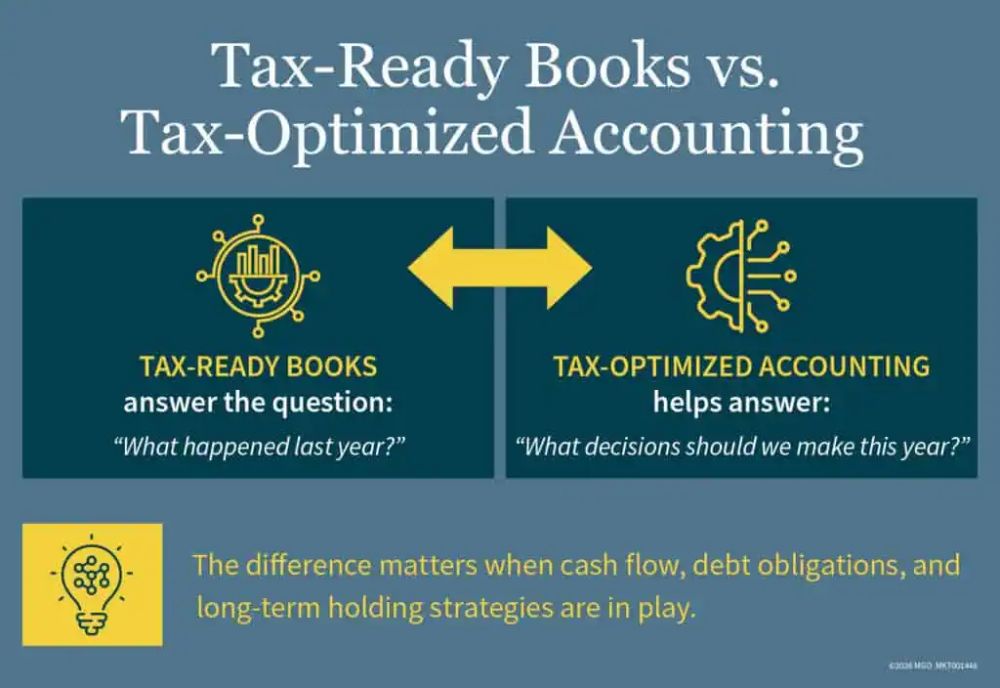
By year-end, your CPA may be limited to working with what already happened, rather than helping shape better outcomes.
The Real Estate Challenge: Complexity Without Infrastructure
Real estate accounting is inherently more complex than most business models. Even smaller portfolios face challenges such as:
- Multiple entities and bank accounts
- Capital contributions and distributions
- Refinancings and loan activity
- Repairs versus capital improvements
- Non-cash items like depreciation
Without disciplined monthly processes, these items often get addressed retroactively. That pressure shows up at tax time, when adjustments must be made quickly and with limited ability to change the outcome.
Common Ways Poor Monthly Accounting Impacts Taxes
Here are a few scenarios we regularly see with real estate owners:
1. Missed Timing Opportunities
When owners don’t have reliable monthly numbers, they may delay or rush large expenses without understanding the tax impact. Opportunities to accelerate deductions or manage taxable income across years can be lost.
2. Blurred Lines Between Repairs and Improvements
Without clear documentation and classification during the year, expenses may be grouped incorrectly, resulting in deductions that are delayed rather than taken currently.
3. Inconsistent Treatment Across Properties
When each property is tracked differently, tax positions become harder to defend and optimize. Consistency matters — both for accuracy and for planning.
4. Reactive Tax Decisions
When accounting is finalized months after activity occurs, tax planning becomes backward-looking. At that point, the question is often “What do we do now?” instead of “What should we do next?”
None of this suggests errors or wrongdoing. It reflects the reality of growing complexity without a structured finance process.
The Role of Monthly Accounting in Better Tax Outcomes
For many owners, the priority is making sure the books are good enough to file returns. That’s an important baseline — but it’s not the same as positioning the business for better outcomes.
When monthly accounting is timely, consistent, and aligned with tax strategy, it enables:
- Earlier identification of planning opportunities
- Fewer year-end adjustments
- Better coordination between operations and tax decisions
- Clearer conversations around distributions, reinvestment, and capital planning
In many cases, improved monthly accounting doesn’t add complexity — it reduces friction.
Why This Matters Most for Smaller Owners
Smaller real estate owners often don’t have a dedicated finance person watching the numbers closely. Tax professionals are asked to fill that gap, but there are limits to what can be done when information arrives late or lacks consistency.
Strong monthly accounting creates leverage. It allows your tax advisor to spend less time reconstructing the past and more time helping you think through what’s next.
Is Your Monthly Accounting Supporting Your Tax Strategy?
Overpaying taxes isn’t always about missed credits or aggressive strategies. Sometimes, it’s simply the result of decisions made without the right information at the right time.
Improving monthly accounting is not about creating more reports. It’s about making sure your financial data supports smarter tax outcomes — not working against them.
The content of this article is intended to provide a general guide to the subject matter. Specialist advice should be sought about your specific circumstances.
[View Source]